 sales@batterydeji.com
 English




Not long ago, the battery of my iPhone 12, which had been with me for five years, failed and showed signs of bulging. Driven by curiosity, I did some research on battery-related information and decided to share it.

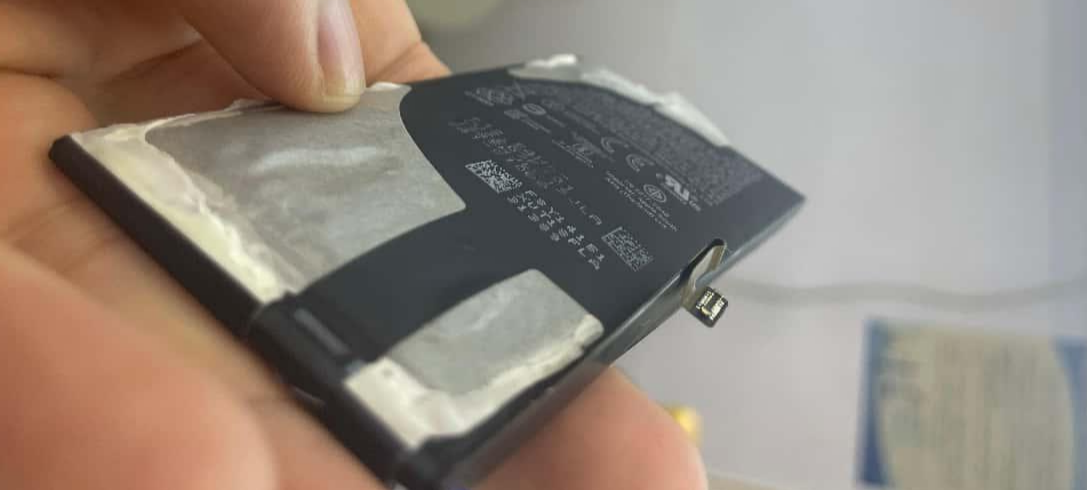


The following is an in-depth look at the causes of lithium battery bulging and how to handle it properly. I hope this can be helpful to those who encounter the same issue.
Causes of Lithium Battery Bulging
All types of batteries can potentially bulge, with lithium batteries being the most common. Lithium-ion batteries are widely used in various portable electronic devices, including smartphones and laptops. Therefore, not only can phone batteries bulge, but other lithium battery-powered devices may also experience this problem.
Lithium battery bulging usually occurs due to the accumulation of gases (mainly a mixture of hydrogen, oxygen, and carbon dioxide) inside the battery. So, why does gas build up inside the battery? Here are several main reasons:
-
Electrolyte Decomposition: Over time and with multiple charge/discharge cycles, the electrolyte within the battery may decompose and produce gases. These gases accumulate inside the battery casing, leading to bulging.
-
Overcharging: Charging the battery beyond its designed limit generates excessive heat, causing internal short circuits and failures of battery components. This decomposition produces gases, resulting in battery bulging.
-
Over-discharging: Over-discharging the battery can also damage its internal structure and lead to gas production.
-
Poor Battery Management: Modern batteries are typically equipped with a Battery Management System (BMS) to monitor and control charging and discharging, ensuring safe battery operation. If this system malfunctions, the battery may operate outside safe parameters, leading to bulging.
-
Physical Damage: Dropping or puncturing the battery can damage its internal structure, causing internal short circuits or other failures that result in gas production. For example, a phone falling from a height can cause the battery to bulge.
-
High Temperature: Exposing the battery to high temperatures can cause the internal materials to decompose and produce gases. Therefore, it is essential to keep the device away from extreme heat sources.
-
Defective Batteries: Manufacturing defects can also be a cause of battery bulging. Sometimes, defects during the production process can lead to internal short circuits or other issues that result in gas production.
-
Aging: As the battery ages, its internal components degrade, leading to reduced capacity and efficiency. The decomposition of these materials also produces gases, causing the battery to bulge over time.
When a battery bulges, it indicates internal problems and poses potential safety risks. In some cases, a bulging battery may rupture or even catch fire. Therefore, if you notice battery bulging, immediately stop using the device and replace the battery as soon as possible.
Handling Methods for Bulging Batteries
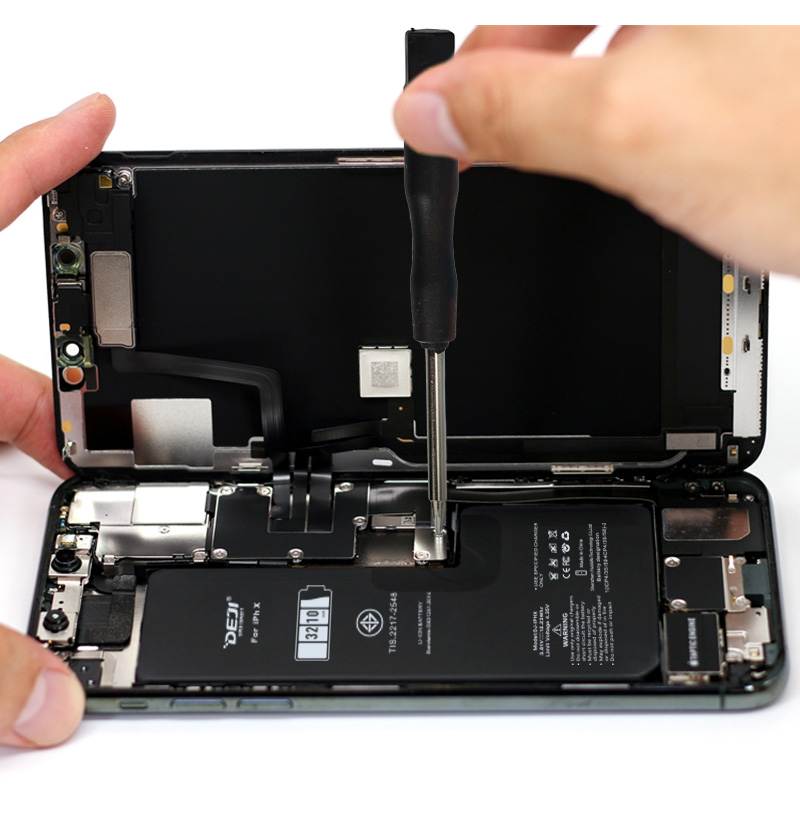
When dealing with a bulging battery, it is crucial to handle it carefully and prioritize safety.
-
Turn Off the Device and Disconnect: If the device is on, immediately turn off its power. If it is a device that can be unplugged, unplug it.
-
Do Not Charge or Use: Do not attempt to charge a device with a bulging battery. Continuing to use it will put further stress on the battery and increase the risk of rupture or fire.
-
Avoid Puncturing or Pressing the Battery: Never attempt to puncture or forcibly restore a bulging battery to its original size. This may cause it to rupture and release harmful chemicals or even catch fire.
-
Store in a Safe Place: Place the device or battery in a location away from flammable materials. A well-ventilated open space is ideal.
-
Seek Professional Help: If you are unsure how to remove the battery, especially for devices where the battery is not designed for easy user replacement, consult the manufacturer or a professional technician.
-
Proper Disposal: Never throw a bulging battery into a regular trash can. Batteries contain harmful chemicals and should not end up in landfills. Instead, take it to a designated battery recycling facility or an e-waste recycling bin.
Understanding why lithium batteries bulge can help avoid improper operations and extend battery life, while proper handling can prevent damage to devices and greater safety risks.

Welcome to follow Deji Battery. We are a professional manufacturer of mobile phone batteries, and our products are highly popular overseas. Over the past 20 years, our high-quality products have attracted thousands of dealers and agents from around the world to join us.
Mobile Battery FAQ
1. Why does a battery swell?
Gas builds up inside due to aging, heat, overcharging, or poor-quality cells.
2. Can I still use a swollen battery?
No. Stop using it immediately — risk of fire or explosion.
3. Why does my phone drain fast?
Battery is aging. Replace it if it shuts down early or battery health is below 80%.
4. Are high-capacity batteries better?
Yes, if the quality is good. DEJI high-capacity batteries offer longer runtime.
5. Why do some batteries fail quickly?
Low-quality cells, poor IC protection, overheating, or bad charging habits.
6. How to identify a good battery?
A+ grade pure cobalt cells + stable protection IC + strict QC.
7. Will battery replacement damage my phone?
No. A good battery improves performance and safety.
8. Why iPhone shows “Important Battery Message”?
It’s Apple’s system restriction.
DEJI diagnostic-compatible batteries show health and avoid pop-ups.
9. Does heat harm the battery?
Yes. High temperatures speed up aging and can cause swelling.
10. Does a new battery need activation?
No. Just install and use normally.